Use of artificial intelligence in video recording and production
Video Production
This diploma thesis, titled “The Use of Artificial Intelligence in Video Recording and Production”, examines the application of artificial intelligence (AI) in video recording and production and its impact on creative processes, professional roles, and audience perception. In recent years, generative models – such as diffusion models and multimodal systems for image and video generation – have become an integral part of media production.
These technologies enable the automation of numerous pre-production and post-production stages and significantly alter the relationship between human creativity and technological support. The thesis aimed to provide a comprehensive analysis of the role of artificial intelligence in contemporary video production and to empirically examine how audiences perceive and recognize AI-generated visual content.
The objectives of the study were to present key technologies and usage trends of AI in media production, analyze the impact of AI on the workforce and creative roles, assess viewers’ ability to distinguish between AI-generated and human-created content, and define ethical and regulatory requirements for the responsible use of AI. The research is based on a combination of a literature review and an empirical survey.
The survey involved 35 participants who evaluated seven images and two short video clips created exclusively using artificial intelligence. The average recognition accuracy was 61.4%, confirming that the average viewer cannot reliably distinguish between AI-generated and real visual content. As many as 94% of respondents believe that AI-generated content should be clearly and obligatorily labeled.
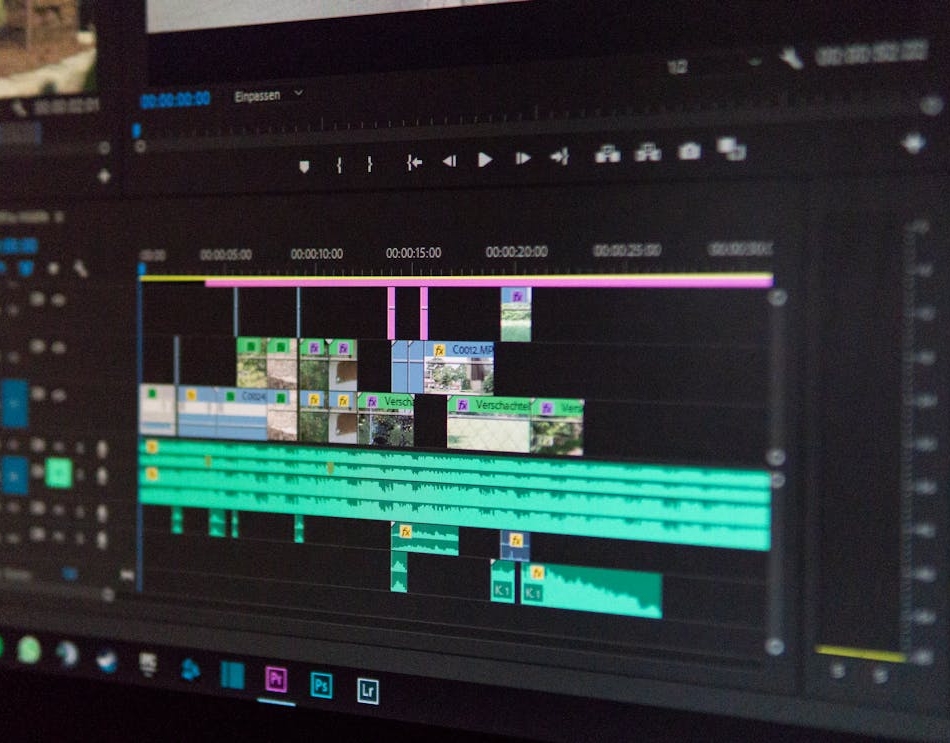
The practical part of the thesis includes the production of a short video in the format of a journalistic report, created using the generative tool Google Flow and subsequently edited in professional video editing software.
The final product demonstrates both the potential and the limitations of generative video production, particularly in terms of character consistency, costs, and the continued need for human supervision. The conclusions of the thesis confirm that artificial intelligence already significantly enhances the efficiency and flexibility of media production but does not replace human creativity; instead, it complements and extends it.
Transparency, content labeling, traceability of content origin, and adherence to ethical and legal standards remain essential for the future use of AI, as audience trust is a fundamental pillar of a credible media environment.
You can check the student’s product in the vide below: